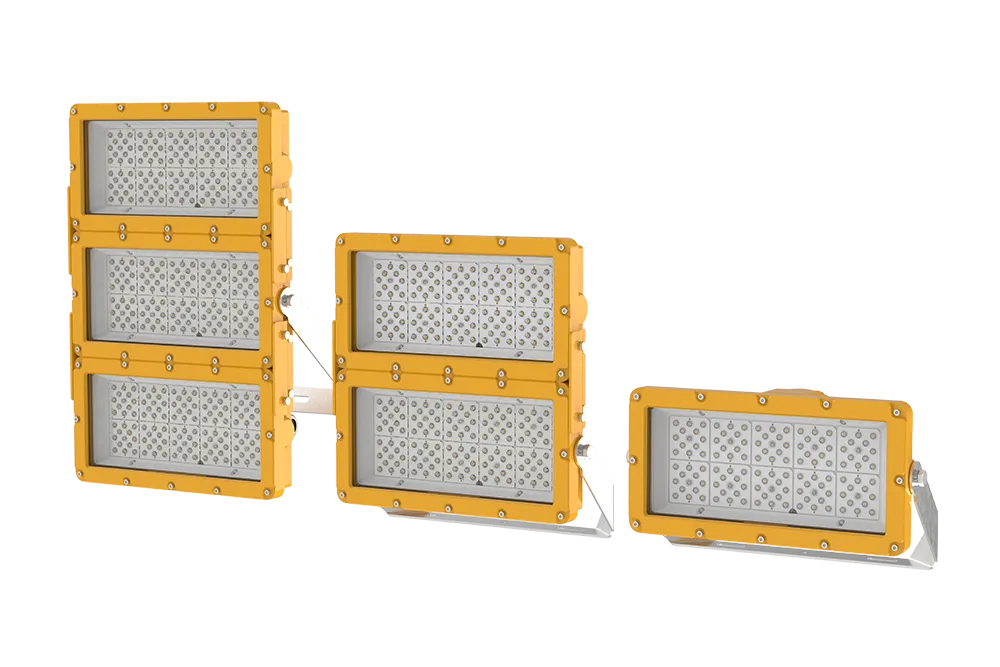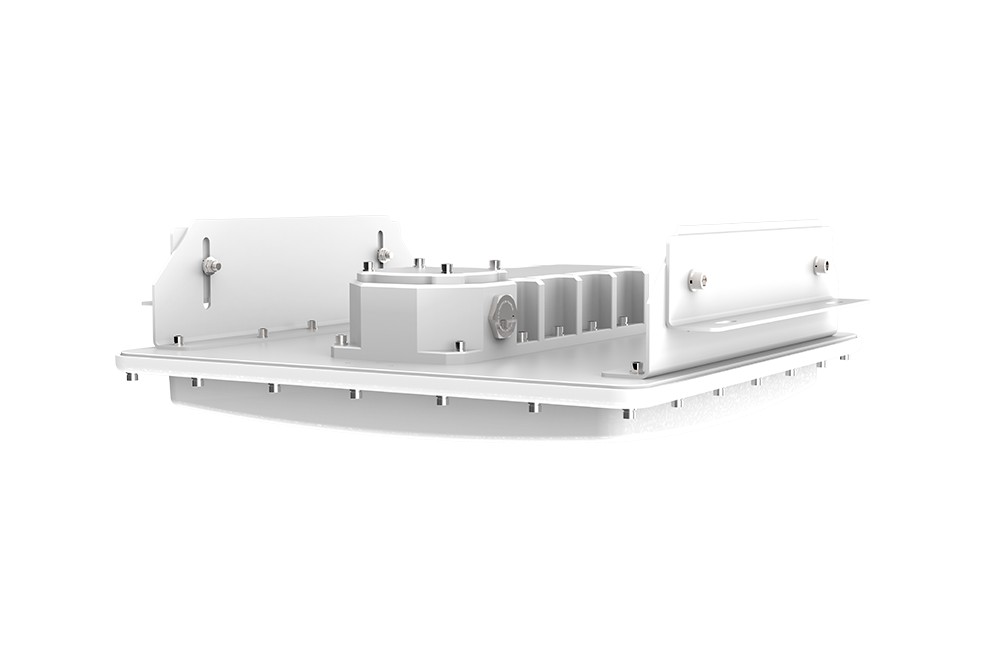
Starting said piece explores an methods of explosion-proof systems through production environments.
Acting dependably inside challenging regions for instance chemical units calls for dedicated systems with the goal to prevent conceivable hazards. Hazloc light sources are vital constituents in similar grounds, constructed to tolerate flammable particles, volatile effluents, and combustible fields. Each contraptions are not naturally safe; alternatively they are developed to restrain any enclosed flash or spark and prohibit it from generating a greater burst in the surrounding location. This compendium offers significant information about explosion-proof fixtures, their operations, and security concerns for executing them properly.
Appreciating Explosion Proof Lighting Standards
Adhering to these ignition-proof lighting regulations can be challenging, especially among businesses engaged in hazardous atmospheres. These stipulations – often referencing authorized bodies such as the National Electrical Standard (NEC), ATEX (Europe), and IEC – set explicit design and installation protocols to curb the threat of fire outbreaks from electrical devices. Understanding aforementioned standards is paramount for ensuring technician safety and respect with legal duties.
Electroluminescent Blast Resistant Lighting Devices: Efficiency & Safety
Luminescent hazard-resistant illumination sources exhibit a notable boost over conventional gas-discharge systems in sites where inflammable substances are existing. These strong tools both offer superior energy optimization, causing decreased energy bills, but importantly guarantee a higher rank of preservation by stopping the possibility of explosions caused by electrical transients}.
Explosion Hardened Toxic Zone Risky Proof Explosion Blaze Burst Resistant} Illumination : A Thorough Synopsis
Explosion Qualified Combustible Area Dangerous Proof} Units are exclusively engineered lighting techniques built to operate safely within conceivably volatile sites. These solid fixtures eliminate sparks, thermal flux and electric discharges from provoking a critical explosion. They commonly incorporate novel designs, involving like tight housings and essentially safe wireless modules to guarantee safety criteria in fields like natural resource & fuel gas processing, chemical plants, digging operations, and pharmaceutical production.
Identifying the Right Flameproof Illumination for Treacherous Areas
Evaluating the best ignition-proof illumination for a targeted potentially explosive environment involves meticulous examination. Elements such as the rating (e.g., Segment I, II, or III and sections 0) should be exactly verified to confirm agreement with relevant protection rules. Beyond the region's essential risks, take into account natural conditions, like warmth and condensation, to select a tough and stable answer. Consistently collaborate with a qualified professional to lead your judgment.
Where Exist Explosion Proof Lights?
Explosion-proof commonly known as intrinsically safe|hazardous location|Class-rated} illumination units are unconditionally needed in particular areas where volatile fumes or microparticles could conceivably create a perilous atmosphere. This frequently includes processing treatment plants, sealant application areas, harvest handling facilities, and effluent management treatment sites. Regulations, such as those from NEC and IEC, require their deployment in these sites to reduce the risk of flames and protect security functionality.
Pros of Photon Emitting in Detonation Safe Systems
Embracing Crystal-Based technology for detonation-safe systems offers a important collection of boons. First, crystal lights boast a considerably longer longevity compared to traditional gas-discharge sources, reducing servicing expenses and downtime. They are also inherently safer, producing offset thermal flux which reduces the potential of combustion in dangerous atmospheres. Furthermore, electroluminescent units are substantially power conserving, leading to minimized power expenditures and a shrunk ecologic trace. Finally, the robust architecture of Electroluminescent devices withstands the challenging circumstances typical of intrinsically safe areas.
- Amplified Usability Span
- Decreased Handling Outlays
- Enhanced Mitigation
- Lesser Power Demand
- Augmented Durability
Controlling and Checking Explosion Proof Lighting Systems
Ongoing inspection and thorough scrutiny of intrinsically safe lighting arrangements are absolutely important for ensuring defense and reducing potential hazards. This entails a scheduled review of all segments, such as lighting devices, passages, electrical lines, and interconnected junction enclosures. Chiefly, inspect for erosion, body impairments, and reliable bonding. What is more, confirm explosion proof led light fixtures that whole notices are visible and that the light units satisfies pertinent norms.
- Conduct sight examinations.
- Assess circuit integrity.
- Corroborate blast resistance.
Advancing of Explosion Proof Lighting Technology
Developing landscape of explosion-proof fixtures technology signals a considerable shift from traditional designs. Future applications will widely incorporate smart capabilities, enabling external monitoring, diagnostics, and customizable control. We look forward to a growing adoption of solid-state technology, not only for its built-in energy efficiency, but also its power to facilitate contained sensors for measuring unstable conditions. Furthermore, materials study is pushing innovations in hardy shell materials, allowing for slimmer and enhanced designs, while upholding the compulsory levels of safeguarding.
- Upgraded battery life for flexible applications.
- Consolidation with forecasting maintenance networks.
- Implementation of auto-purging lens mechanisms.