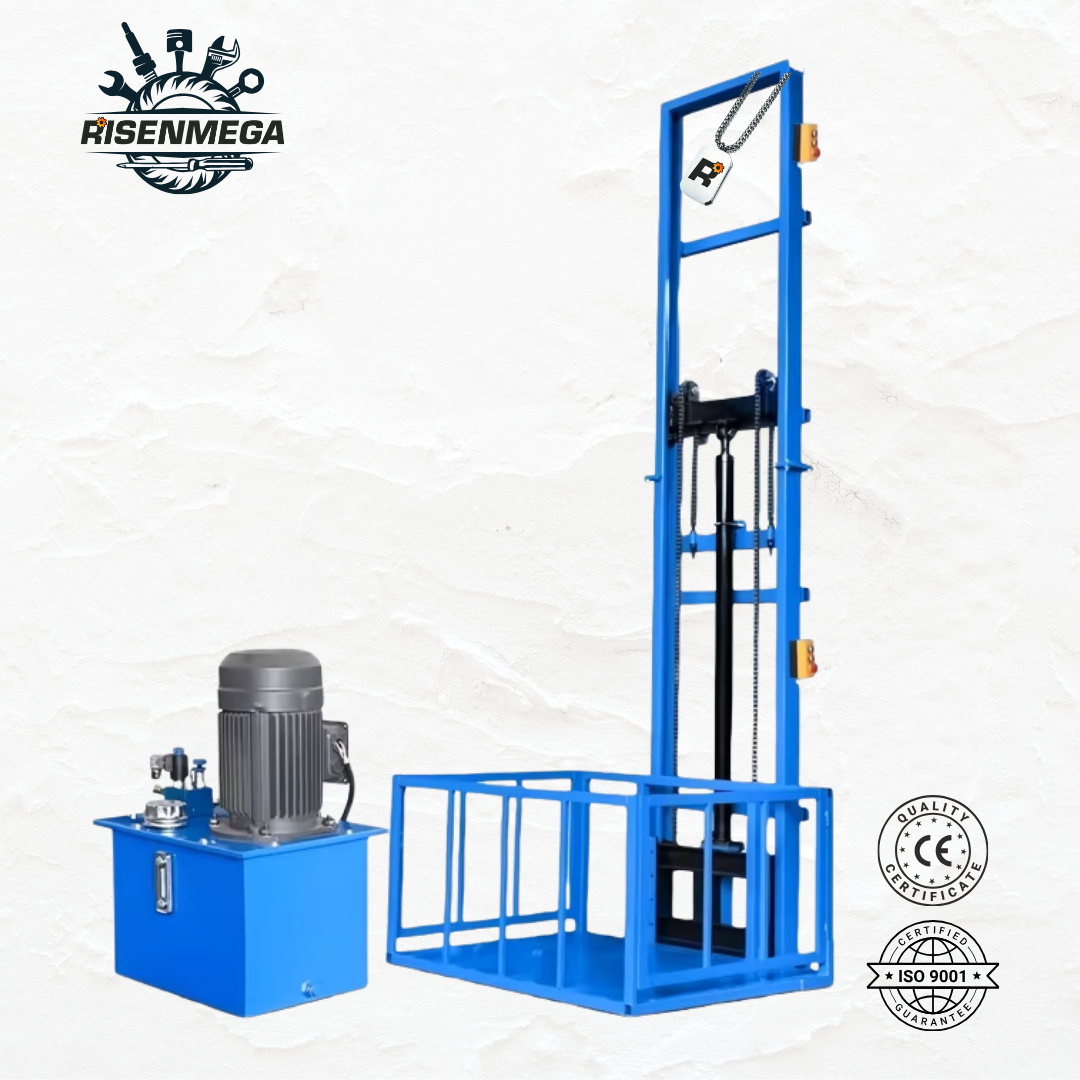
Recognizing this suitable system intended for transporting baggage represents a difficult undertaking.Such summary examines the sector of goods lift methods, explaining various classes of lifts, from simple scissor lifts and fluid-driven platforms to more sophisticated vertical transfer systems.We'll study factors like heaviness requirements, room constraints, and monetary considerations to guide you identify the optimal preference for your establishment.Assuming you are dealing with substantial pallets, cumbersome machinery, or usual freight, understanding your demands is necessary for a successful implementation.
Cargo Lifter Choices for Your Operation
Determining the right material elevator is a fundamental decision for any venture that processes significant loads of supplies.There’s a large array of solutions available, each with its own positives and cons.Assess thoroughly your individual needs. Frequent choices include:
- Fluid-Powered Elevators: Best for smaller elevations and operations.
- Traction Elevators: Offer better pace and lifting power for elevated establishments.
- Robotic Lifts: Constructed for moving crates and different large goods.
Linear Track Shipment Elevating Devices: Functionality and Safeguarding
Current guide rail material hoists are revolutionizing item handling in factories, offering a significant boost to both efficiency and preservation.This kind of systems utilize a controlled railroad system to precisely transfer large materials vertically, diminishing the need for bodily shifting.The embedded architecture incorporates diverse safeguarding features, including alternate checking apparatus and strong construction, ensuring technicians and close areas are secured from potential risks.In the end, these ascenders provide a affordable and reliable solution for establishments seeking to upgrade their workflow management.
Electing the Best Freight Lifter for Commercial Requisites
Deciding on the ideal supplies hoist for the mechanical plant requires careful analysis.Numerous characteristics must be reviewed, including the stretch of the mandatory carriage, the heft capacity of the contents being moved, and the open space. Also, safety traits and compliance with valid directives are vital. Failing to address these considerations could produce in reduced productivity and potential vulnerabilities.
Boons of a Cargo Hoist in Storeroom Processes
Utilizing a parcel platform within a storeroom can yield pronounced improvements to overall functions. These sorts of machines considerably curtail the need for physical carrying of substantial things, as a result cutting down on the risk of personnel casualties. Moreover, a freight transporter strengthens productivity by facilitating faster handling of products across different different floors, ultimately contributing to streamlined transportation and minimized financial burdens.
Understanding Various Varieties of Items Hoists
Carrying considerable merchandise within a premises necessitates specialized equipment, and appreciating the varied types of goods elevators is critical. They are not the typical conventional passenger elevators; the ones are constructed to withstand large loads and often feature individual characteristics.One can examine some typical options. First, there are manufacturing elevators, hardy systems designed for intensive use in workshops. Then, we have stage elevators, which use a even platform to shift containers vertically. Lastly, bulk lifts offer a straightforward and efficient solution for lifting mass materials.
- Commercial Elevators: Generally used in industrial complexes.
- Pallet Elevators: Ideal for secured items.
- Jointed Lifts: Supply a secure elevation solution.
Tight Load Hoists with Guide Structures
With respect to depots facing limited floor zone, cutting-edge cargo hoists utilizing framework structures offer a effective answer. Such types of tools reduce the spread required while however securely transferring massive materials. The present pattern typically involves a skyward traveling tray that tracks a assigned line, enabling for efficient employment of the at disposal capacity.
Maximizing Vertically Expanded Area with a Supplies Lift
During today's stockrooms, leveraging elevated area is paramount for productivity. A supplies elevator offers a persuasive solution to this issue. These systems grant you to position goods higher than traditional storage systems, so boosting your holding. Reflect on the perks:
- Decreased space requirements
- Optimized object movement
- Enhanced efficiency volume
- Probable curtailment in personnel payments
Mounting a Goods Elevator: Vital Insights
Choosing to set up a parcel lift can be a significant investment for your facility, but ensuring a seamless process requires careful hydraulic cargo lift coordination. First, you’ll ought to inspect your specific requirements – including the load of the products you’ll be carrying and the stretch the lift will reach. Comprehensive site verification is also paramount, including reviewing structural integrity and available space. You’ll probably have to acquire the appropriate authorizations from local bodies. Finally, do not forget to appoint a trained installer to secure risk-free operation and observance with regulatory codes.
- Take into account weight ratings.
- Confirm site openness.
- Obtain the correct permissions.
- Commission a competent worker.