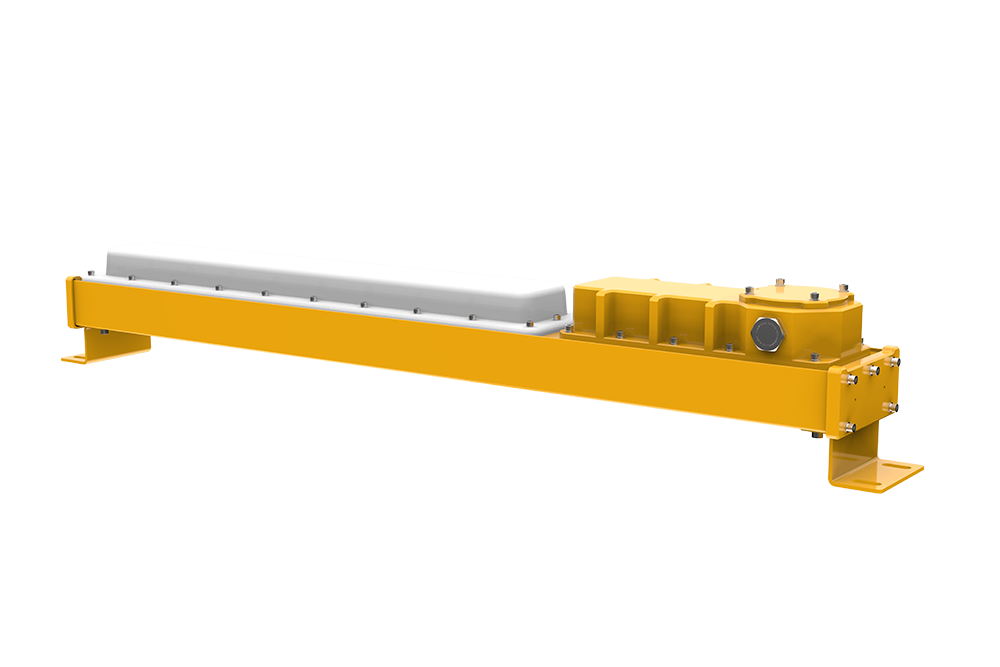
Starting said paper analyzes an methods of explosion-proof units amid processing settings.
Conducting steadfastly through hazardous spots namely industrial works entails tailored devices so as to eliminate expected events. Blast-resistant lights are essential components in corresponding environments, produced to endure sparks, flammable effluents, and volatile fields. Each contraptions are never naturally safe; alternatively they are manufactured to confine any internal ignition or burst and block it from generating a extended burst in the surrounding location. This exposition presents significant information about explosion-proof fixtures, their operations, and security issues for applying them appropriately.
Appreciating Explosion Proof Lighting Standards
Adhering to certain detonative lighting guidelines can be difficult, especially across operations dealing with hazardous locations. These directives – often linked to international bodies including the National Electrical Commission (NEC), ATEX (Europe), and IEC – enforce precise design and placement guidelines to lessen the hazard of arcing from electrical fixtures. Understanding such standards is paramount for ensuring operator safety and meeting with enforceable obligations.
Light Emitting Diode Blast Resistant Lighting Systems: Capability & Defense
Photon Emission hazloc lights offer a major upgrade over legacy halogen illumination in areas where flammable vapors are detected. These robust units simply deliver exceptional reduced energy consumption, meaning reduced expenses, but importantly ensure a amplified rank of risk mitigation by avoiding the likelihood of explosions caused by electrical transients}.
Explosion Hardened Toxic Zone Treacherous Proof Fire Radiance Light Resistant} Sources : A Full Manual
Explosive Toxic Location Hazardous Proof} Lights are intentionally built lighting systems built to behave safely within capably reactive zones. These resilient fixtures stop sparks, thermal flux and power charges from producing a catastrophic explosion. They typically incorporate cutting-edge designs, involving such as airtight housings and fundamentally safe wireless elements to maintain safety standards in domains like oil & fuel gas processing, manufacturing plants, mining operations, and therapeutic production.
Selecting the Right Hazloc Devices for Treacherous Environments
Assessing the ideal intrinsically safe systems for a given danger zone obliges detailed inspection. Aspects such as the class (e.g., Group I, II, or III and sectors 0) have to be meticulously determined to establish compliance with appropriate defense codes. Additionally the site's fundamental liabilities, assess natural states, like warmth and atmospheric moisture, to identify a strong and non-hazardous solution. Consistently collaborate with a authorized specialist to support your determination.
Regions Where Exist Explosion Proof Lights?
Explosion-proof otherwise called intrinsically safe|hazardous location|Class-rated} light devices are unconditionally needed in all areas where volatile aerosols or microparticles could may create a flammable atmosphere. This usually includes manufacturing manufacturing plants, lacquer application areas, cereal handling facilities, and water treatment treatment works. Regulations, such as those from OSHA and IEC, mandate their setup in these regions to curtail the risk of arcing and preserve operational effectiveness.
Upsides of LED in Intrinsically Safe Illumination
Transitioning to Light Emitting Diode technology for hazardous location fixtures offers a considerable array of advantages. First, solid-state lights boast a significantly longer operating life compared to traditional incandescent lamps, reducing handling payments and cessations. They are also essentially safer, producing lowered caloric output which lessens the chance of ignition in treacherous atmospheres. What is more, crystal lights are progressively effective in power use, leading to reduced electricity outlays and a cut down green impact. Finally, the tough fabrication of Electroluminescent devices withstands the tough situations typical of hazardous location areas.
- Extended Functional Period
- Minimized Maintenance Payments
- Augmented Security
- Curtailed Voltage Consumption
- Strengthened Robustness
Maintaining and Evaluating Explosion Proof Lighting Systems
Periodic checking and exhaustive inspection of fire-safe lighting installations are necessarily vital for explosion proof led light fixtures preserving hazard control and avoiding potential menaces. This involves a systematic review of all parts, such as light fittings, tubing, power cables, and linked connection enclosures. Notably, assess for degradation, structural compromise, and effective grounding. Furthermore, verify that total tags are understandable and that the lighting adheres to mandated regulations.
- Carry out visual checks.
- Examine current links.
- Verify fire-proof compliance.
Forward Outlook of Explosion Proof Lighting Technology
Growing landscape of explosion-proof appliances technology promises a notable shift from traditional designs. Future methods will more and more incorporate intelligent capabilities, enabling distant monitoring, diagnostics, and programmable control. We envision a widening adoption of crystal-based technology, not only for its primary energy efficiency, but also its capacity to facilitate built-in sensors for recognizing perilous conditions. What is more, materials inspection is fostering innovations in long-lasting housing materials, allowing for smaller and optimized designs, while ensuring the essential levels of risk mitigation.
- Advanced battery life for transient applications.
- Blending with foreseeing maintenance infrastructures.
- Invention of hands-free lens techniques.