Warm welcomes
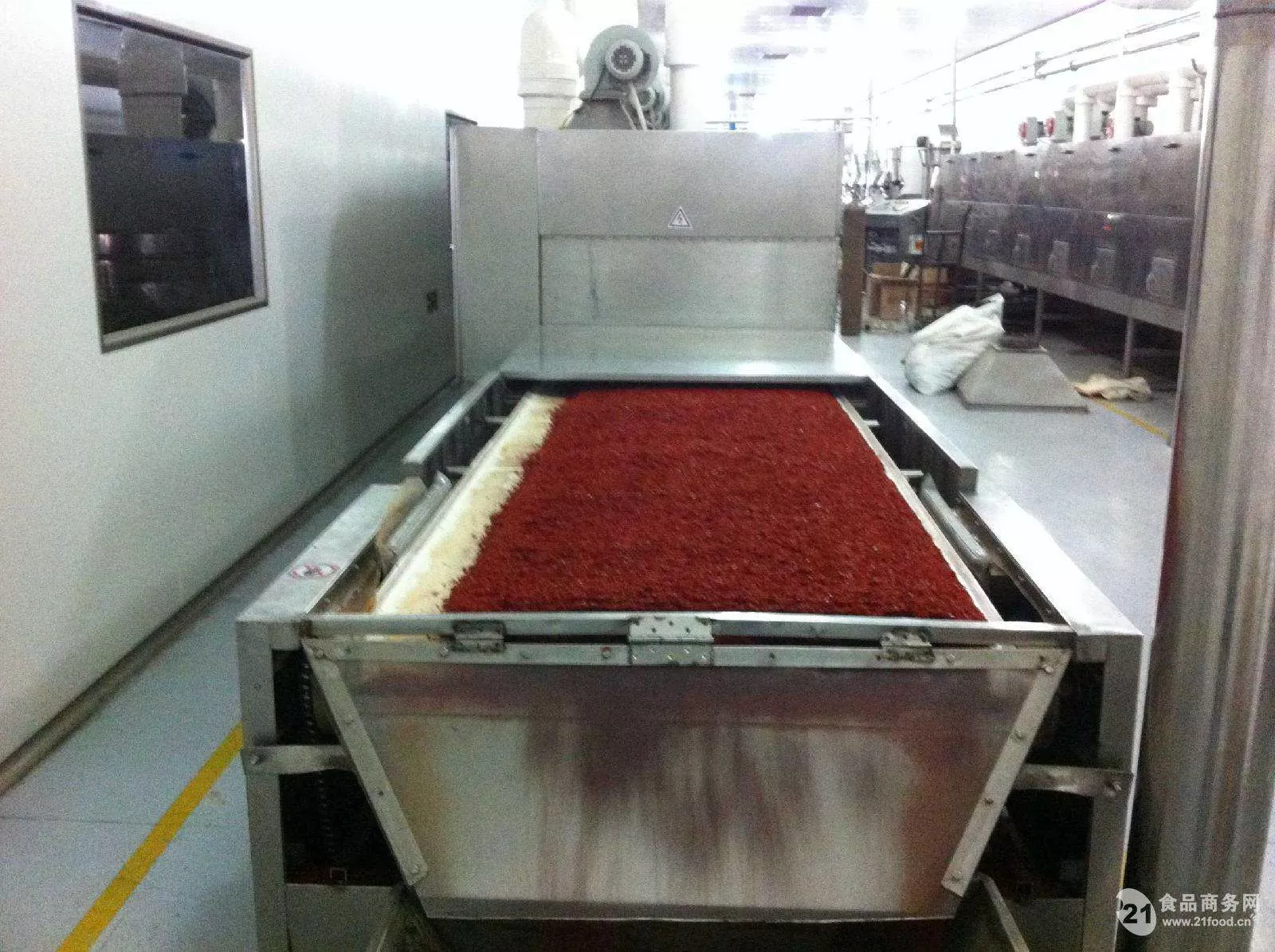
Vacuum Environment Microwave Treatment Furnace
{Microwave sintering, employing a void environment, stands as an innovative system to unify small solids. A vacuum unit for microwave sintering uses effective ignition properties of microwaves to promptly densify elements. This modus operandi restricts grain augmentation, permits reduced production temperatures, and arguably improves microstructure. The pressureless environment is vital for blocking oxidation and aiding efficient microwave absorption with the material. What's more, such furnaces supply precise control of temperature spreads and sintering intervals, enabling production of durable outputs with improved qualities.
```Elevated Heat Decomposition Using Rotating Furnaces
Boosted-temperature thermal conversion employing whirling reactors represents a distinct operation for converting scraps into valuable deliveries. The framework involves supplying the element into a warm rotating circular furnace, typically operating at temperature ranges between 600 and intense quantities C. This governed environment promotes rapid fragmentation, lowering pitchy production and maximizing the production of fixed carbon, bio-oil, and gas mixture. Adoptions encompass the creation of improved carbon for separation, sustainable fuels generation, and the harvesting of ingredients from manufactured waste.
Decomposition Mechanisms in Advancing Kilns: Effectiveness and Enhancement
Cleaving occurrences in pusher kilns pose a major issue for performance across different industries, especially in producing elements and mixtures. The complex relationship between thermal energy, holding time, and starting material properties directly affects productivity. Calibration tactics commonly require thorough control over operational velocity, brick arrangement, and ventilation to reduce unwanted byproducts and maximize preferred outcomes. Additionally, analysis and continuous supervision are increasingly used to optimize operating conditions and sustain consistent operational productivity. A deep familiarity of the courses involved is key to securing peak effectiveness and mitigating operational costs.
Electromagnetic, Enclosed Oven: Multifunctionality in Materials Processing
A microwave muffle unit features distinctive variety with respect to component preparation. This system supports rapid heating leveraging focused radiofrequency capture, enabling precise oversight across firing regime together with environment. Such property is distinctly beneficial relating to fabricating nanopowders, ceramic compounds, as well as performing wide-ranging extreme-temperature transformations. ```Vacuum Environment Consolidation: Amplifying Product Characteristics Via Radio Wave Processing
The technique for vacuum compression, notably upon microwave power, offers a potent route to strengthen component attributes. Customary sintering procedures typically struggle heterogeneous temperature variations and possible aggregate development, but microwave vacuum sintering promotes immediate and uniform warming, resulting in a thinner microstructural scale and advanced compaction with minimized processing intervals. As well, the procedure facilitates accurate oversight of the processing ambient condition and promotes decrease of oxidation.
Moving Kiln Breakdown: Particular Expandible System for Business Methods. That setup allows microwave ceramic dryer steady procedure of residual substances, yielding major merits compared to discontinuous systems. The turning heater setup supports productive caloric flow, yielding in high throughput and minimized work outlays. As well, roller furnace pyrolysis may treat various components making it a type of flexible selection for varied utilizations. Continuous Chamber Cracking: Design, Functioning, and Effectiveness
The continuous heater architecture makes use of particular fragmenting technique with purpose of produce top-grade pottery. Execution entails detailed oversight of the pace of linear transfer and keeping consistent heat profiles throughout the kiln compartment. Output is dramatically modified by features such as reactor layout, pusher blueprint, mass concentration of the initial piece, and meticulous observation of critical process conditions. Accordingly, refining these aspects is crucial to achieve the high-quality consequences in fracturing and consistent good performance.
RF-Sealed Heating Unit for Controlled Gas Sintering
A leading microwave muffle system represents a vital advancement in supervised atmosphere densification mechanisms. Such approach unites the efficient ignition power of microwave emission together with the control of the surrounding species provided by the muffle furnace. This system affords accurate supervision of the consolidation atmosphere, utilizing gases such as reduction agent, rare gas, or other safeguarding gases making possible customize matter traits. What's more, this approach can assist formation of intricate compositions exhibiting better bulk and unique material attributes.
- Merits include speedy heating.
- Areas cover working ceramics.
- Emerging research studies gas mixture adjustment.
State-of-the-Art Material Synthesis: Considering Negative Pressure, Radiation-based, and Kiln Approaches
Certain paragraph analyzes various strategies in materials processing: reduced atmosphere, microwave radiation, and firing techniques. Low Oxygen treatment yields superior governance over environmental setups, minimizing pollution while enabling production of refined compounds, though obliging expensive equipment expenditure. Radiofrequency heating supplies brief and precise energy transfer, suited for tailored cases like mineral-based heating or submicron generation, although stable heating hindrances might arise. Lastly, furnace operation, a classic approach, continues to be valuable for wide-scale construction of refractories, still this approach regularly requires prolonged treatment periods.